
The constraint decides the process.
Buyers arrive with a constraint, not a process. This page maps the constraint to the machine, the tolerance and the paperwork — and says what you give up when you choose it.
Start here if you do not know what to ask for.
Left column is what you have. Middle is what answers it. Right is the cost of that answer.
| Your constraint | What answers it | What you give up |
|---|---|---|
| The part is under 10 mm and needs to be complete | Swiss-type lathe with a sub-spindle | Bar stock only — no castings |
| The part is over 38 mm and has features on four faces | Five-axis turn-mill | Longer setup, higher piece price at low volume |
| The bore has to be concentric to a milled face | One-setup turn-mill | Part geometry must allow the tool to reach both |
| The material is titanium | Slower speeds, ±0.01 mm on short features | Cost roughly 2–3× the same part in stainless |
| The batch is 20 pieces, not 20,000 | Lathe with a quick-change setup | Higher piece price; the setup is spread over fewer parts |
| The finish is the selling point | Bead blast plus anodising with coupon approval | Adds 5–7 days for the anodising and the coupon step |
What changes between them.
Same machines, different failure modes. Each row names the constraint that actually decides the part, and what we need from you before a quote is real.
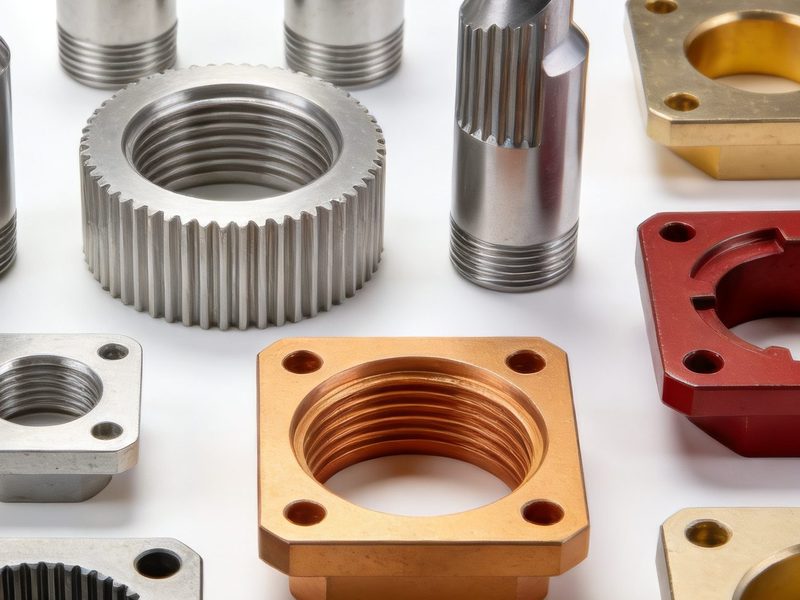
Medical Devices
Deciding constraint: Traceability and documented inspection
Small housings, instrument parts and fixtures where material records and dimensional evidence matter.
Medical work here is stainless and titanium: housings, fittings, small shafts and instrument components. The deciding constraint is rarely the tolerance on the drawing — it is what the part does after it has been through an autoclave twenty times.
That means 316L rather than 304, passivation after machining, and no sharp internal corner where residue can sit. We quote the process and the post-treatment together, because the second one is what passes the audit.
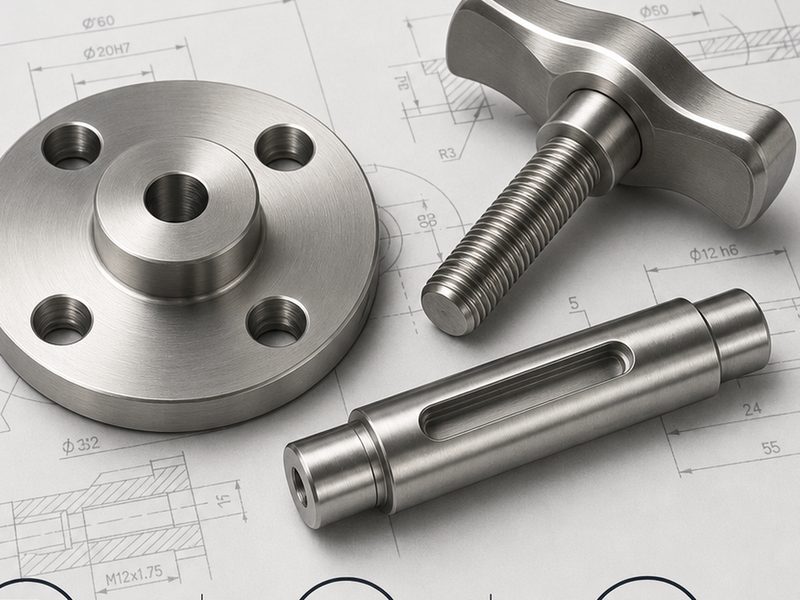
Automotive
Deciding constraint: Repeatability at production quantity
Turned and milled hardware, fixture parts and components produced against approved first articles.
Automotive parts are usually simple shapes with a hard process requirement: the tenth batch has to measure the same as the first. That is a fixture and an inspection question more than a machining one.
We hold the fixture, log the offsets, and inspect against the same datum every run. If the volume justifies it, we will tell you when a part should move to a different process rather than quote another thousand machined pieces.
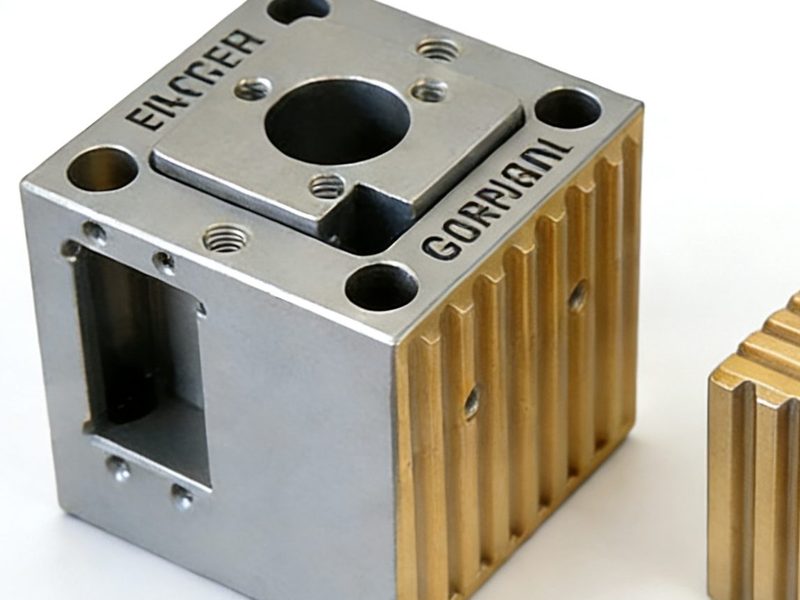
Aerospace
Deciding constraint: Tight callouts and controlled documentation
Complex aluminium and stainless components quoted feature-by-feature; certification scope confirmed before order.
Aerospace buyers ask for the same thing every time: prove which bar this part came from. That is a documentation job, and it starts before the material arrives.
We keep the mill certificate with the heat number, tag the bar, and carry the number through the work order to the packing list. Titanium and 4340 are the common grades here; both are machined to ±0.01 mm on short supported features rather than ±0.005 mm.
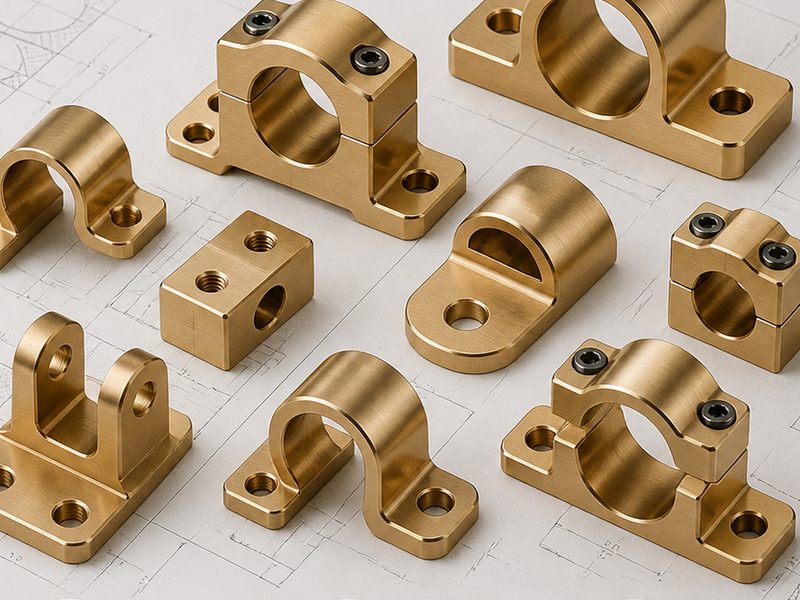
Industrial Automation
Deciding constraint: Hole patterns must match the mating equipment
Brackets, adaptors, plates, manifolds and fixture components, usually low volume and drawing controlled.
Automation work is brackets, plates, adaptors and fixture parts, usually in 6061, usually in tens rather than thousands. The failure mode is never the shape — it is the hole pattern not matching the mating part.
We machine the mounting face and the hole pattern from one datum, and we ask for the mating part's drawing if you have it. Ten minutes of checking saves a rework round trip.
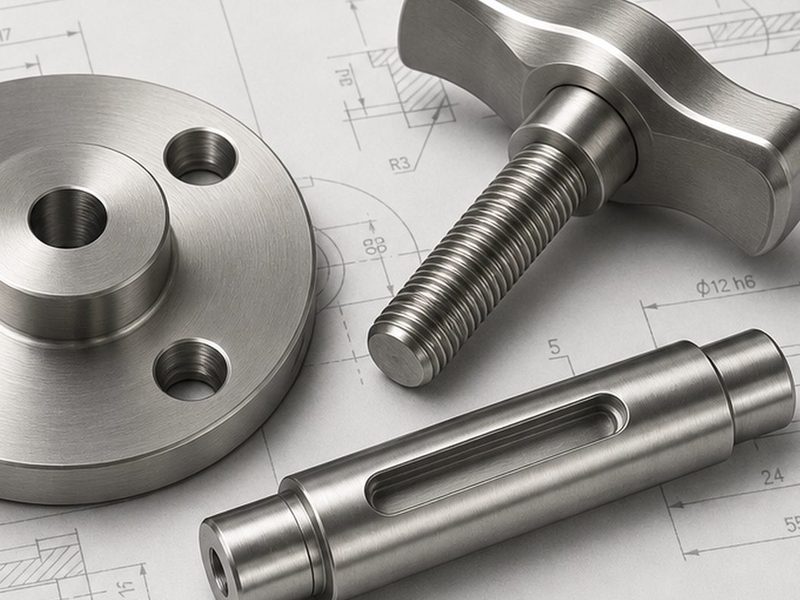
Optical Instruments
Deciding constraint: Concentricity, surface and clean handling
Mounts, sleeves and housings with bores and faces machined from a common datum.
Optical assemblies are brass and aluminium, threaded, and sensitive to runout rather than to size. A thread that is on size but eccentric moves the lens off axis, and the assembly fails at test.
We turn the thread and the bore in one setup and inspect runout, not just diameter. Brass H59 is the usual material; black anodised aluminium where weight matters.
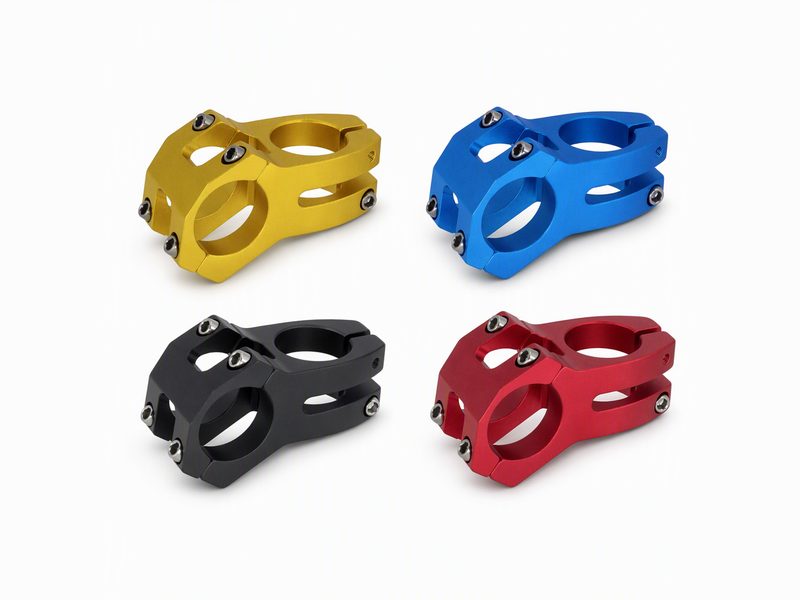
Bicycle
Deciding constraint: Light weight, finish and repeat assembly
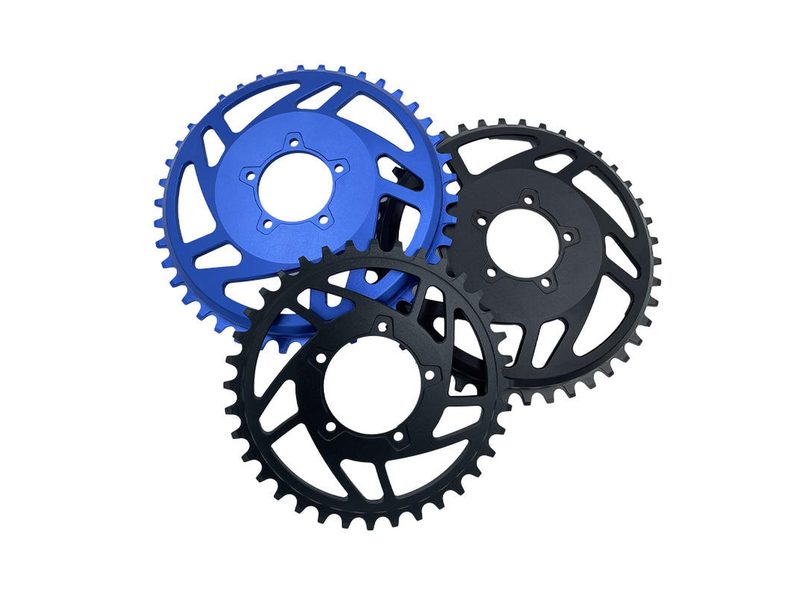
Stems, caps, crank hardware and other machined aluminium parts with anodised cosmetic surfaces.
Bike components are the only work here where cosmetics decide the sale. A stem with a visible tool mark or an uneven anodised batch is a return, not a cosmetic defect.
So the process includes a deburr and finish standard agreed in writing, an anodising coupon per colour, and a photo of the first piece before the batch runs. That last step catches most of the problems.
Six inputs before a quote is real.
Geometry
A STEP file, or a drawing with dimensions and a scale.
Material and grade
6061-T6, not "aluminium". 304 or 316L.
The tight features
Which dimension must be held, and to what.
Quantity by release
Sample, first batch and annual — three different numbers.
Finish and marking
Including whether threads and bores are masked.
Inspection and documents
The report format your quality team will accept.
What actually ships.
| Incoterm | FOB Xiamen, CIF, DDP on request |
|---|---|
| Sample lead time | 7–15 days from approved drawing |
| Production lead time | 15–20 days for a batch run |
| Packing | Bulk bag, individual bag, retail box, pallet |
| Documentation | Dimensional report, material cert, packing list |
| Payment | T/T; terms agreed per project |
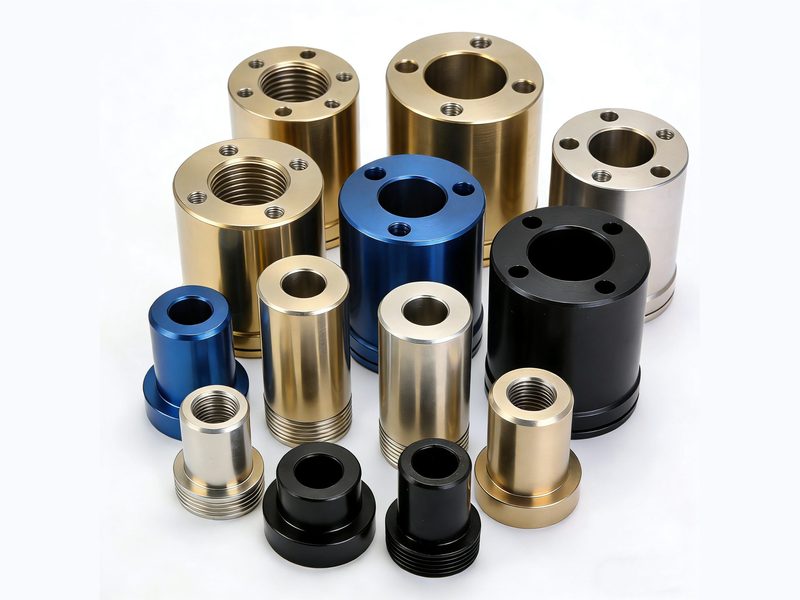
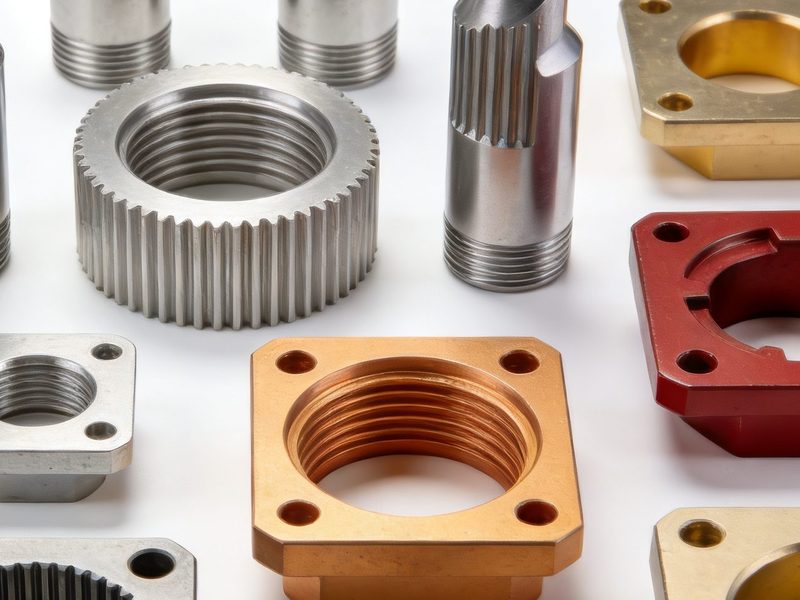
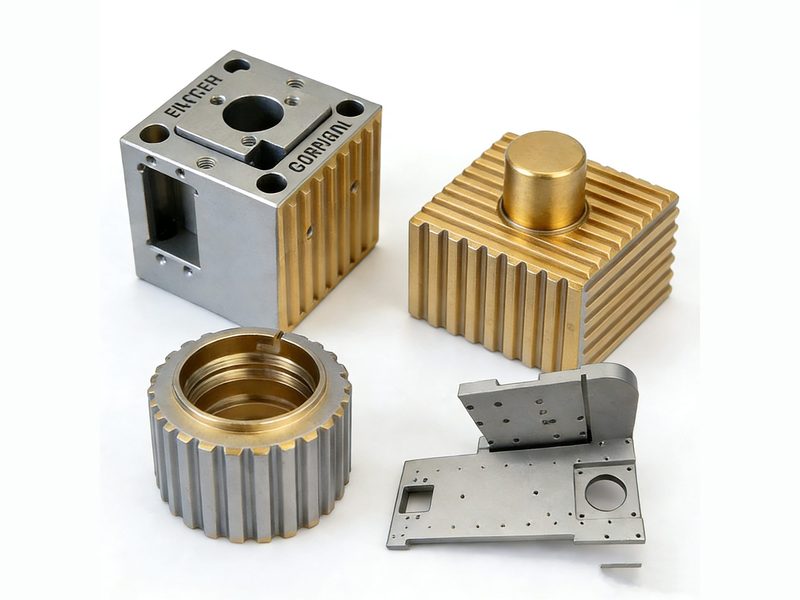
Photographed at the factory, not on a client site.
We do not publish customer reference projects without written permission. These are the parts, on our benches.
Send the drawing. We quote within 24 hours.
STEP, DWG, DXF, PDF or a photo with dimensions. Tell us the material, the annual quantity and the finish, and the quote comes back with the process route and the tolerance we will hold.